
The 3 Metrics That Matter More Than Download Speed The match was in overtime. It was a ranked...
When Your Controller Betrays You: The True Cost of Stick Drift & What Comes Next
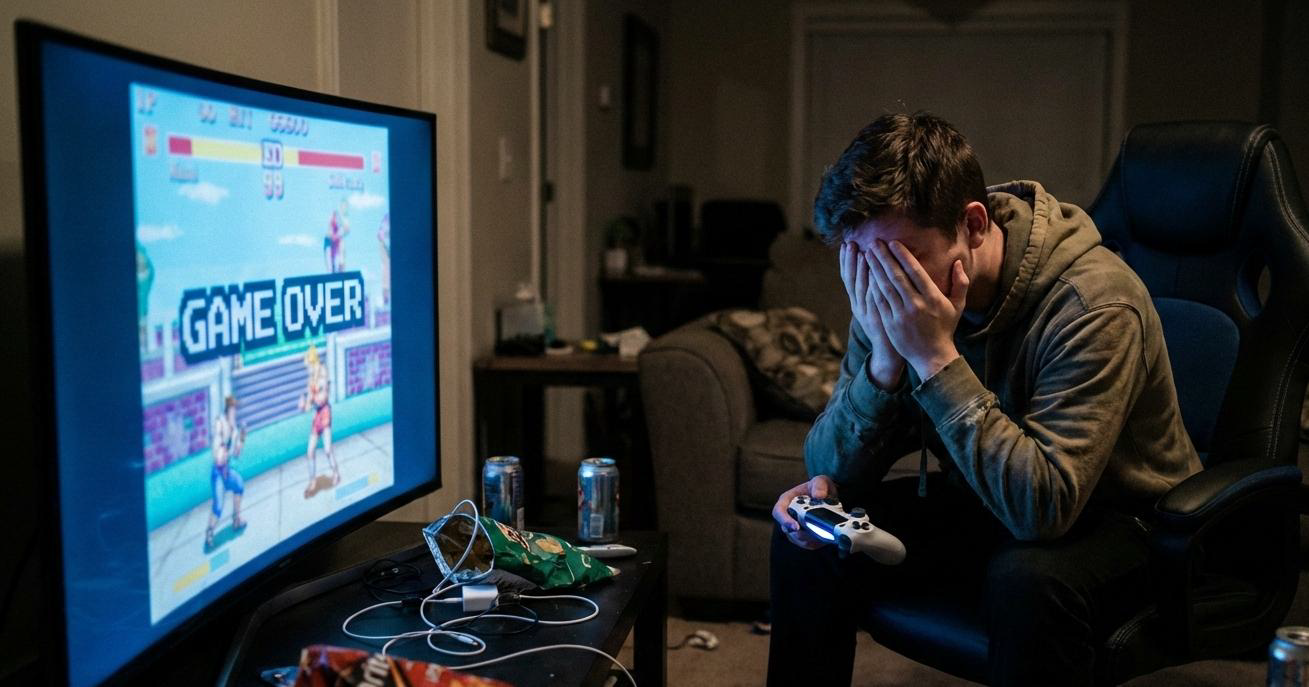
Leo didn’t slam the desk.Didn’t swear.
Didn’t even move at first.
His character just kept walking. Slowly. Left. Straight off the stage.
If you’ve ever lost a match that way, you know the moment. Your brain is still trying to catch up, replaying the last few seconds, asking Did I touch the stick? even though you already know the answer. Leo’s thumb was hovering. Not pushing, not panicking. Just watching it happen.
Someone behind us whispered, “Drift?”
Leo nodded once. That was it. Tournament over.
That controller had already been “fixed” once. Cleaned. Reset. Babied. It didn’t matter. This was the fourth one he’d gone through in two years, all ending the same way. Stick drift doesn’t feel like a failure. It feels like being quietly robbed mid-match.
And the worst part is how normal it’s become.
Why Stick Drift Isn’t Your Fault - It’s by Design
People love to blame players for drift. Heavy thumbs. Rage gaming. Dirt. But that’s mostly noise.
Inside every analogue stick is a potentiometer. It’s a tiny part doing an impossible job: translating thousands of micro-movements into precision input. Every flick grinds it down a little more. The contact’s scrape, the resistance changes and when the dust settles in places you’ll never reach.
Eventually, the stick starts lying.
Most controllers are sealed so tightly that even cleaning them properly means tearing past a warranty sticker. Leo learned that early.
“I opened my first one thinking I’d see something obvious,” he told me later. “Instead, it was just… fragile. Plastic clips everywhere. One wrong move and you’re done.”
He wasn’t exaggerating. A 2024 Environmental Tech Review study finally put numbers to what gamers already feel: around 30 million controllers are thrown away every year, most of them not outdated, just unrepairable.
That’s not bad luck. That’s design.

The Math No One Wants to Do but Should!
On paper, it looks simple. A $90 controller every couple of years. No big deal.
But over ten years? That’s $450, and that’s being conservative. No special editions. No “upgraded” models. No shipping surprises.
What people don’t factor in is everything around the purchase is rebinding controls, relearning dead zones, waiting days to play normally again and staring at a brand-new controller that feels almost right, but not quite like the old one.
Leo put it better than I could: “You don’t feel like you own it. You’re just renting it until it breaks.”
Once you notice that cycle, it’s hard to ignore.
The Repair Underground and Why It’s So Hard to Join
After controller number three, Leo decided he was done replacing. He tried repairing instead.
He watched tutorials. Bought tools. Took his time.
It worked! For a bit.
“I fixed the drift,” he said. “But I broke two clips doing it. Then the trigger stopped responding a month later. I couldn’t even find a replacement part that would ship to Canada.”
That’s the quiet truth behind the “just repair it” advice. Yes, repair content is exploding as the repair videos are up 40% year over year but the controllers themselves haven’t changed. They still fight you every step of the way.
The knowledge exists. The willingness exists. The hardware doesn’t cooperate.
A Glimpse of a Different Future: Modular by Design
Here’s the part that really gets me.
We already solved this problem in other spaces.
PC gamers swap parts without thinking twice. Mechanical keyboard fans treat switches like consumables. Phones are slowly being forced by law to offer parts and manuals.
So why are controllers still treated like sealed artifacts?
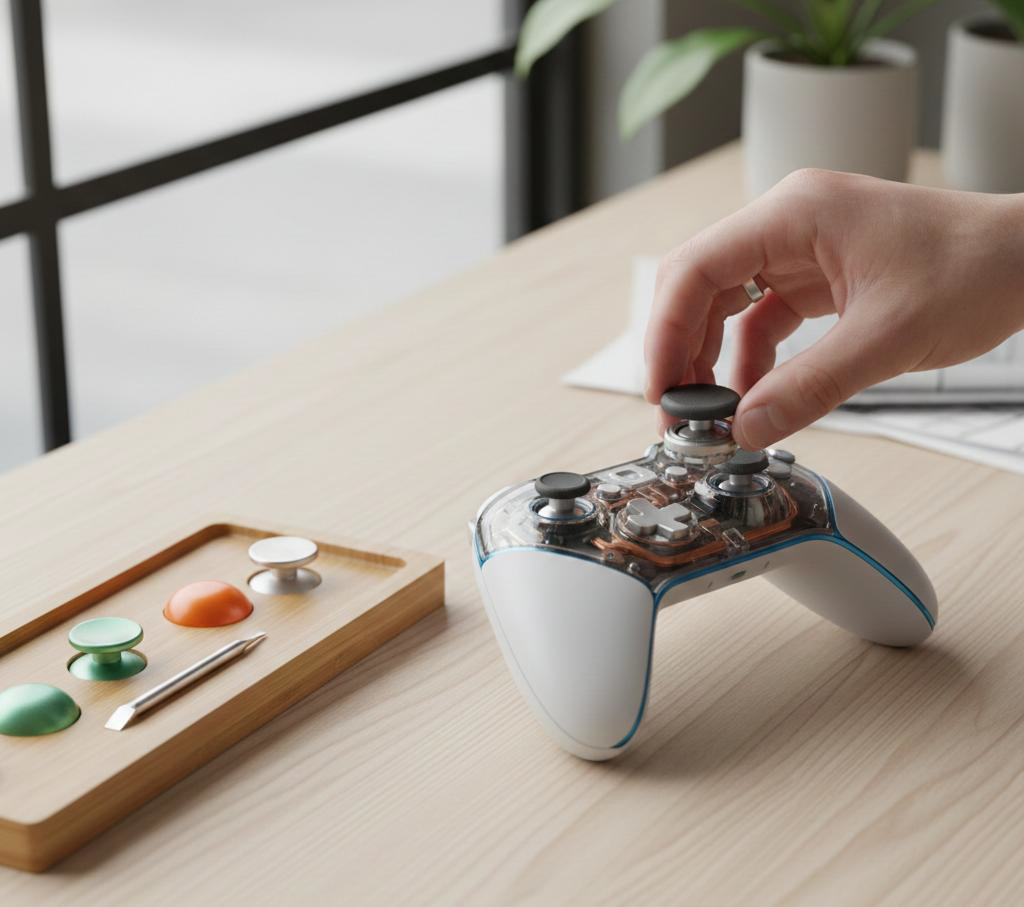
Imagine Leo between sets, pulling out a worn thumb stick module and snapping in a new one. No screwdriver ballet. No stress. No gamble. Just maintenance.
That’s modular design. And according to a January 2025 Tech Player Monthly feature, multiple accessory makers are already testing modular controllers with warranties that don’t punish repairs.
This isn’t futuristic. It’s overdue.
What to Look for in a Controller That Won’t Quit on You
Before you hand over your money again, ask a few uncomfortable questions:
1. Can this controller be opened without destroying it?
2. Are replacement parts sold openly, not through third parties?
3. Is there an official repair guide or are you on your own?
4. Does the warranty assume failure, or fight you when it happens?
These questions shouldn’t feel rebellious. They’re basic. And brands that can answer them clearly are telling you something important about how long they expect their products to last.
The Choice That’s Yours to Make
I still remember Leo packing up that night. Little angry but mostly just tired.
But I also think about how small the fix could’ve been. A swappable stick and 5 minutes of focus.
Stick drift doesn’t need to end matches, controllers, or trust. The gamer community are pushing back. Repair laws are moving slowly, but they’re moving. And companies like NorthFrame are proving that durability and performance don’t have to be opposites.
So, when your controller starts drifting and it probably will stop for a second.
Ask yourself whether you’re done with it… or whether you’re done accepting that this is “just how it is.”
Because that choice doesn’t just affect your next match. It can shapes what gaming hardware becomes next.
Don't forget to check out my full Podcast and IG.
1) Podcast: https://youtu.be/5objDmAB1fA
2) IG: https://www.instagram.com/reel/DVG8wHDieeH/?utm_source=ig_web_copy_link&igsh=MzRlODBiNWFlZA==