
Fandom has never just been about what you watch, play, or follow.
You’ve probably noticed it without stopping to think about it. A jacket with a symbol that feels familiar. A hoodie that doesn’t explain itself but still says something. A graphic tee that only makes sense to the people it’s meant for. If you recognize it, you recognize it instantly. If you don’t, it quietly passes by.
Fandom fashion doesn’t usually announce itself. It communicates through subtle references and shared understanding. What once lived on screens, avatars, and posters has slowly moved into everyday clothing, turning what we wear into a reflection of who we are and what we connect with.
For many people today, fandom isn’t something extra. It’s personal. And as that connection deepens, fashion has become one of the most visible ways people express it.
When Fandom Left the Screen
From Private Obsession to Everyday Visibility
Fandom used to exist in specific places bedroom walls, convention halls, collector shelves. Outside of those spaces, it stayed mostly hidden. Wearing fandom openly wasn’t common, and it often required explanation.
Over time, that boundary shifted. Gaming, anime, and pop-culture references began appearing in everyday outfits. Not as costumes, but as part of daily life. Fandom didn’t disappear from the screen it expanded beyond it.
Digital Culture Made Fandom Wearable
As online spaces became more social and visual, identity moved with them. Platforms like livestreams, short-form video, and online communities normalized sharing interests publicly. Fashion followed that shift, urning digital culture into something physical and wearable.
“You Don’t Need a Controller to Belong”
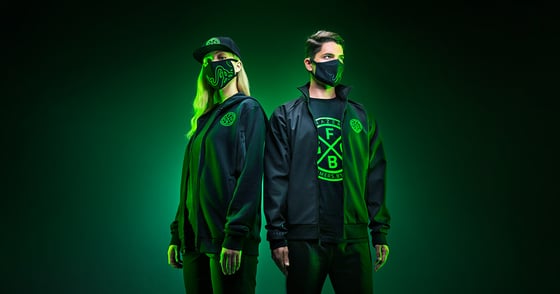
Gaming Culture Beyond Gameplay
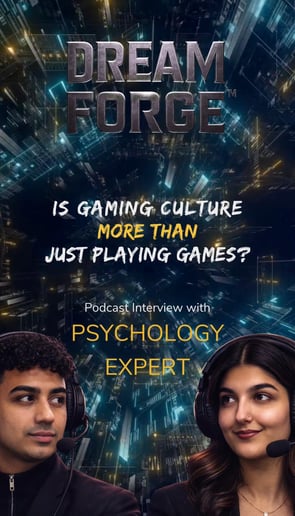
Gurnoor, a master’s student in psychology and behavior science at the University of Toronto, described her relationship with gaming culture as something that exists mostly outside of gameplay. She doesn’t actively play games, but she engages with gaming culture daily through livestreams, online trends, and digital communities.
“Gaming culture is much bigger than just playing games,” she said. “It’s part of internet culture now.”
Identity and Belonging in Online Spaces
For her, gaming-inspired spaces like Discord servers and livestream chats offer a sense of belonging without requiring skill or participation in competition. People connect through shared references, usernames, and conversations.
“You don’t need to hold a controller to be part of gaming culture anymore,” she explained.
Fashion as a Shortcut to Community
Clothing as Shared Language
Fandom fashion works because it communicates quietly. A small symbol or color choice can signal shared understanding without explanation. It’s less about standing out and more about recognizing others who understand the same references as research shows it as well
When Online Identity Becomes Offline Style
She described how digital identities like avatars, usernames, and online personas will allow people to explore who they are in a safe space. Over time, those identities influence how people present themselves offline. Clothing becomes an extension of the communities people belong to online.
Why Creator-Led Style Feels More Authentic
Trusting Creators Over Corporations
Younger audiences are increasingly drawn to styles shaped by independent creators rather than corporate trends. Creator-led fashion feels personal, rooted in storytelling instead of mass appeal.
What Research Says About Identity and Fandom
A 2024 Deloitte Insights report found that nearly one-quarter of consumers consider being a fan of a favorite franchise an important part of their identity. That emotional connection explains why audiences gravitate toward fashion that feels meaningful rather than commercial.
The Values Woven Into What We Wear
Fandom fashion today often reflects deeper values. Sustainability, inclusivity, and ethical production matter as much as aesthetics. Logos matter less than stories. Meaning matters more than branding.
Connection as a Driving Force
According to Pew Research, 72% of teens say they play videogames to spend time with others, and nearly half report forming friendships through gaming. Those connections influence how people express themselves beyond screens, including through fashion.
The Tension Inside Fandom Fashion
Fast Fashion vs. Authentic Expression
As fandom fashion becomes more visible, it faces challenges. Fast-fashion brands often replicate aesthetics without context, stripping symbols of their meaning. Accessibility and affordability remain concerns, especially for younger audiences who want quality without compromising values.
Where Fandom Fashion Is Headed Next
Customization and Smaller Communities appears to be moving toward customization and intentional design. Instead of chasing trends, people are curating pieces that reflect long-term identity. Fashion becomes a way to archive digital culture in the physical world.
Fandom fashion isn’t about being loud. It’s about being understood. It’s about wearing something that quietly says, this matters to me. As digital culture continues to shape how people connect, fashion remains one of the most personal ways to carry those stories into everyday life.
-1.png?width=479&height=321&name=Screenshot%20(796)-1.png)