Over the past few years, storytelling in games has become more important than ever.
Finishing a video game used to feel clear-cut. You played through the story, hit the final mission,
watched the credits roll, and that was that.
Lately, it doesn’t feel so final.
For many players, games now end just as the world starts to feel familiar. Characters disappear
before you’re ready to let them go. Stories close without giving you time to sit with them.
Instead of satisfaction, there’s a strange sense of loss, like stepping away from a place you
weren’t done with yet.
That feeling isn’t random. It’s part of a larger shift in how people play.
More players are becoming what can be called story-seekers.
Who Are Story-Seekers?
Story-seekers don’t log in just to win or unlock achievements. They play because they want to
feel something.
These players value emotional depth and narrative immersion as much as, and often more than,
gameplay mechanics. They’re drawn to games with believable characters, thoughtful dialogue,
and worlds that feel alive rather than transactional.
Story-seekers don’t rush. They explore side stories, replay conversations, and sit with difficult
choices. What matters to them isn’t how hard the game was, but whether it felt meaningful.
For them, gaming isn’t just entertainment. It’s an experience they carry with them.
Why Storytelling Matters More Than It Used To
Part of this shift comes from the world players live in today. We are constantly surrounded by
strong storytelling, in films, streaming series, podcasts, and online content. Naturally,
expectations for games have evolved too.
But what makes games different is interactivity.
Unlike movies or shows, games place players inside the story. You don’t just watch events
unfold; you make choices, feel consequences, and experience moments firsthand. When
storytelling is done well, that involvement turns a narrative into something deeply personal.
Research supports this idea. A 2024 study on narrative immersion in role-playing games found
that players feel most connected when a game challenges them emotionally, not justmechanically. Difficulty alone wasn’t what made players feel immersed, emotional investment
was.
Couple sitting on couch
“I Remember How the Game Made Me Feel”
That emotional investment came up repeatedly during an interview with Mehul, a long-time
gamer currently playing The Last of Us.
“If I’m emotionally invested, I’ll stay hooked,” he explained. “I might forget the gameplay later,
but I’ll always remember how the game made me feel.”He described playing games that looked impressive and played smoothly but ultimately felt
forgettable because the story was shallow or predictable.
“You invest so much time,” he said. “Late nights missed sleep. When the ending doesn’t deliver
emotionally, it just feels disappointing.”
What stood out wasn’t frustration about difficulty or mechanics. It was disappointment over emotional payoff, something story-seekers care deeply about.
Immersion Lives in the Quiet Moments
Immersion doesn’t always come from big action scenes or dramatic twists.
Often, it’s built in quieter ways.
Believable characters. Natural pacing. Small emotional moments that feel earned.
Mehul shared that even brief conversations or subtle interactions can become meaningful when
emotions make sense. When characters feel real, players stop seeing them as avatars and start
caring about them as people.
Researchers call this feeling “transportation”, the sense of being mentally and emotionally pulled
into a story world. Studies on storytelling in games suggest this works best when narrative is
woven into gameplay instead of interrupting it.
Good storytelling doesn’t take players out of the experience.
It pulls them further in.
A Shift in How Players Judge Games
As expectations continue to rise, storytelling is no longer treated as optional. Online reviews,
discussions, and recommendations increasingly focus on emotional impact and narrative quality.
Story-seekers aren’t demanding perfection.
They’re looking for connection.
They want games that respect their time, their emotions, and the investment they bring into a
world. This reflects a broader shift in gaming culture — one that values empathy, reflection, and
shared experience alongside skill and challenge.
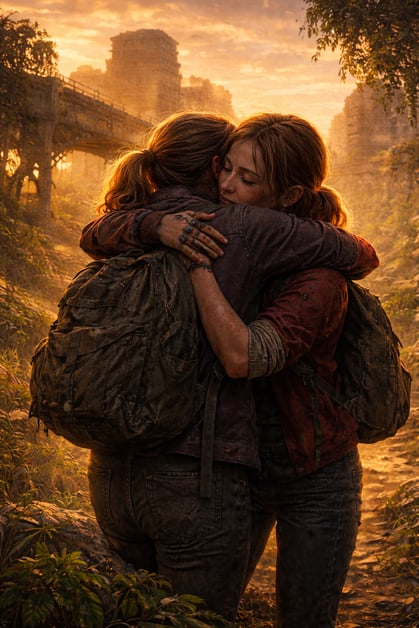
Why Some Games Stay with Us
Most players can name dozens of games they’ve completed.
Only a few truly stay with them.
Those are the games people think about years later. The ones remembered for certain characters,
difficult choices, or emotional moments that didn’t fade once the screen went dark.
The rise of story-seekers signals where gaming is headed, toward experiences that resonate
emotionally and leave a lasting impression.
Because the games that matter most aren’t always the ones we finish. They’re the ones we carry
with us.
.jpeg?width=271&height=590&name=WhatsApp%20Image%202026-02-17%20at%2010.55.09%20PM%20(1).jpeg)